What the Founders Designed
The Founding Fathers designed a system of checks and balances, separation of powers, and constitutional guardrails to prevent abuse of power and protect institutional stability. Below are the key principles and the Founders who championed them.
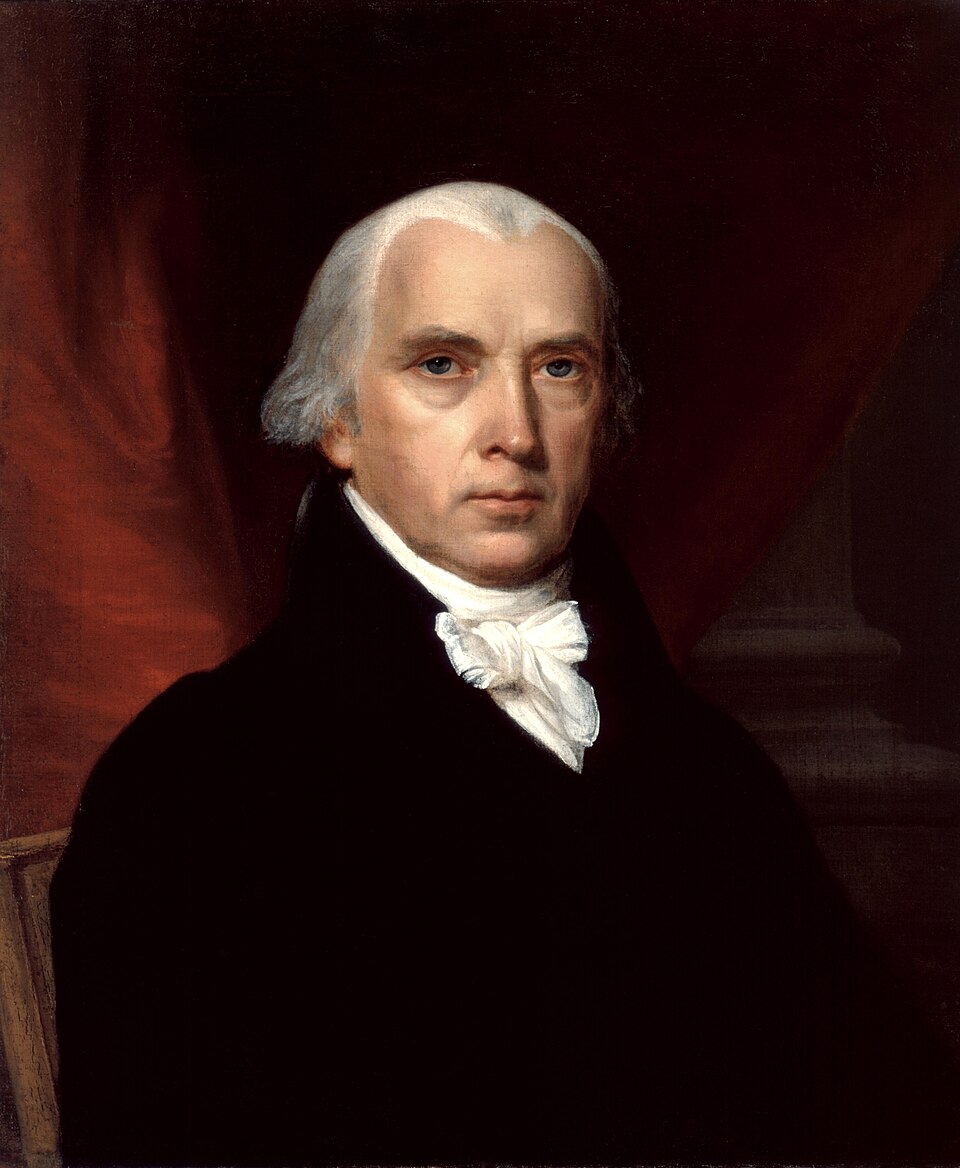
James Madison
Vision: "Ambition must be made to counteract ambition"
Madison designed the system of checks and balances to limit power and prevent any single branch of government from becoming too powerful. He believed that institutional checks were essential to protect liberty.
Principles: Checks & balances, separation of powers, institutional checks bypassed
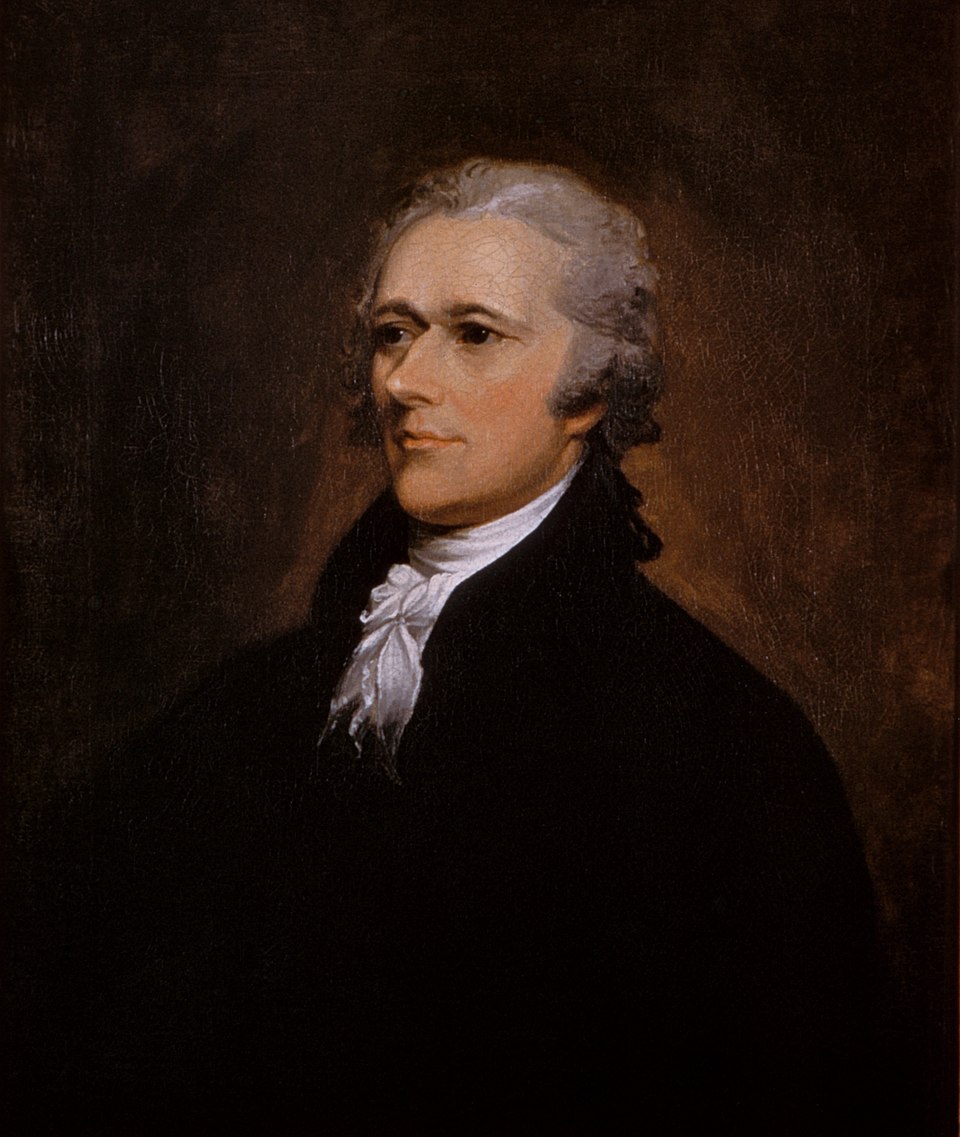
Alexander Hamilton
Framework: Executive power within constitutional limits
Hamilton argued for a strong executive, but one that operates within clearly defined constitutional boundaries. The executive should not be above the law or bypass constitutional processes.
Principles: Executive power limits, rule of law, constitutional guardrails
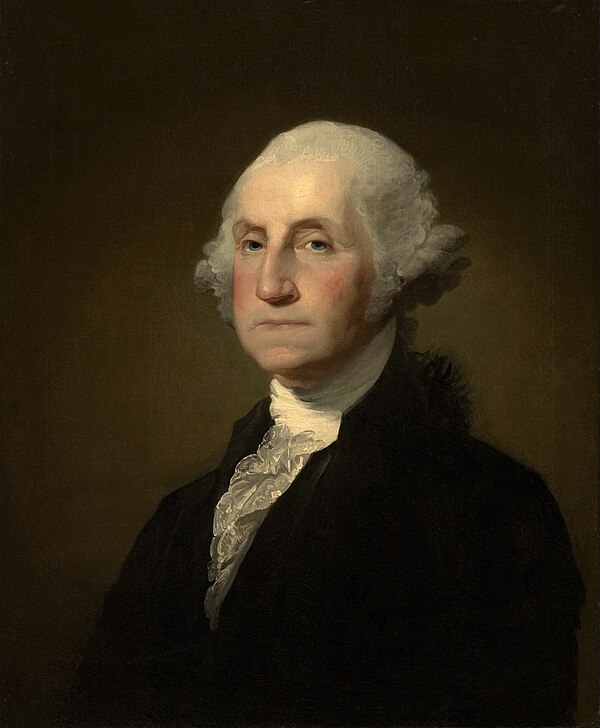
George Washington
Warning: Against partisanship and personal ambition
Washington warned against party politics and personal ambitions overriding institutional stability. He emphasized the importance of norms, precedents, and institutional integrity over personal gain.
Principles: Institutional stability, norm-breaking, partijpolitiek boven principes
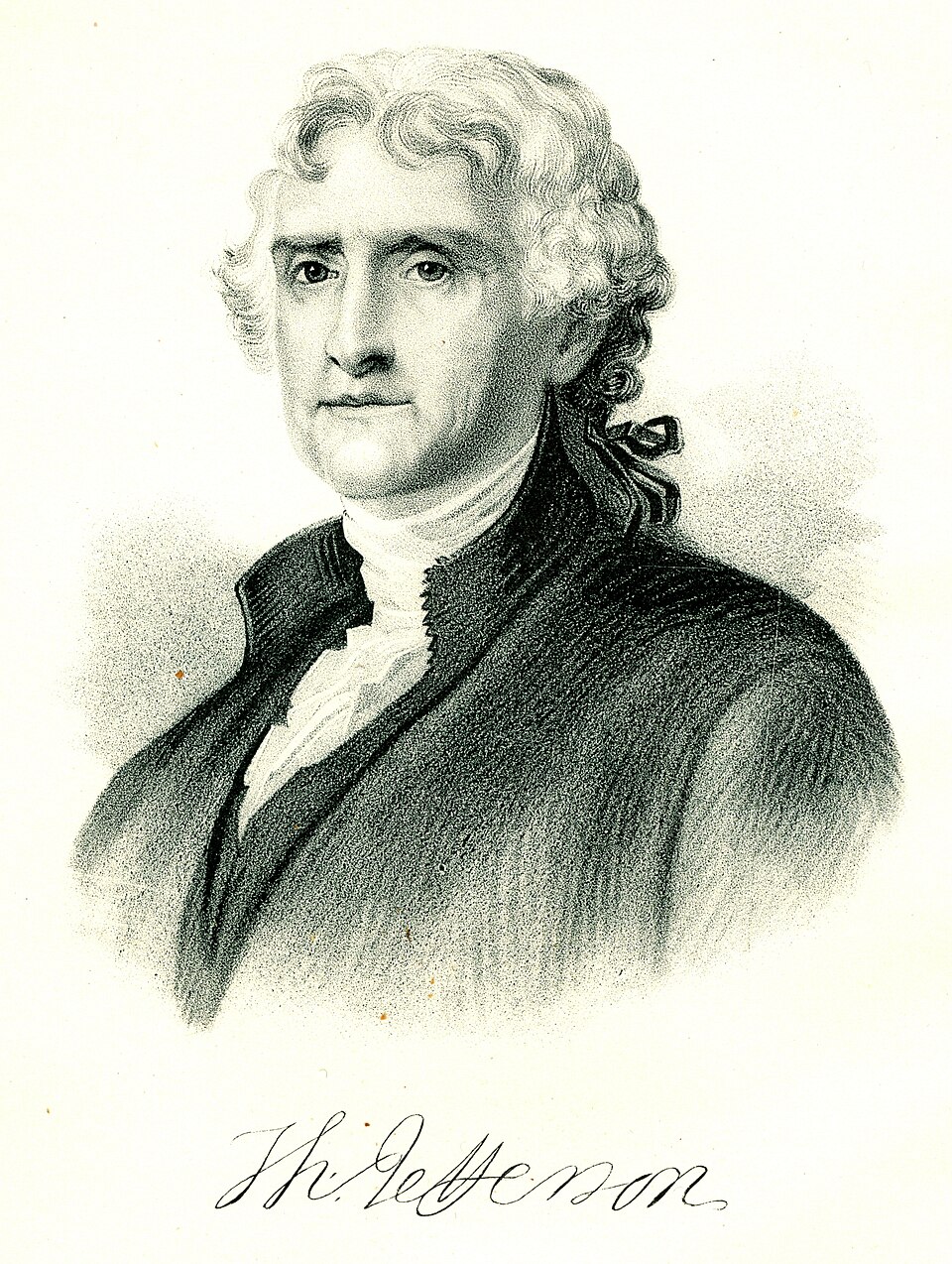
Thomas Jefferson
Principle: "When government fears the people, there is liberty. When the people fear the government, there is tyranny."
Jefferson emphasized that government should serve the people, not rule over them. He warned against government overreach and fear-based governance that undermines liberty.
Principles: Liberty vs. tyranny, government overreach, fear-based governance
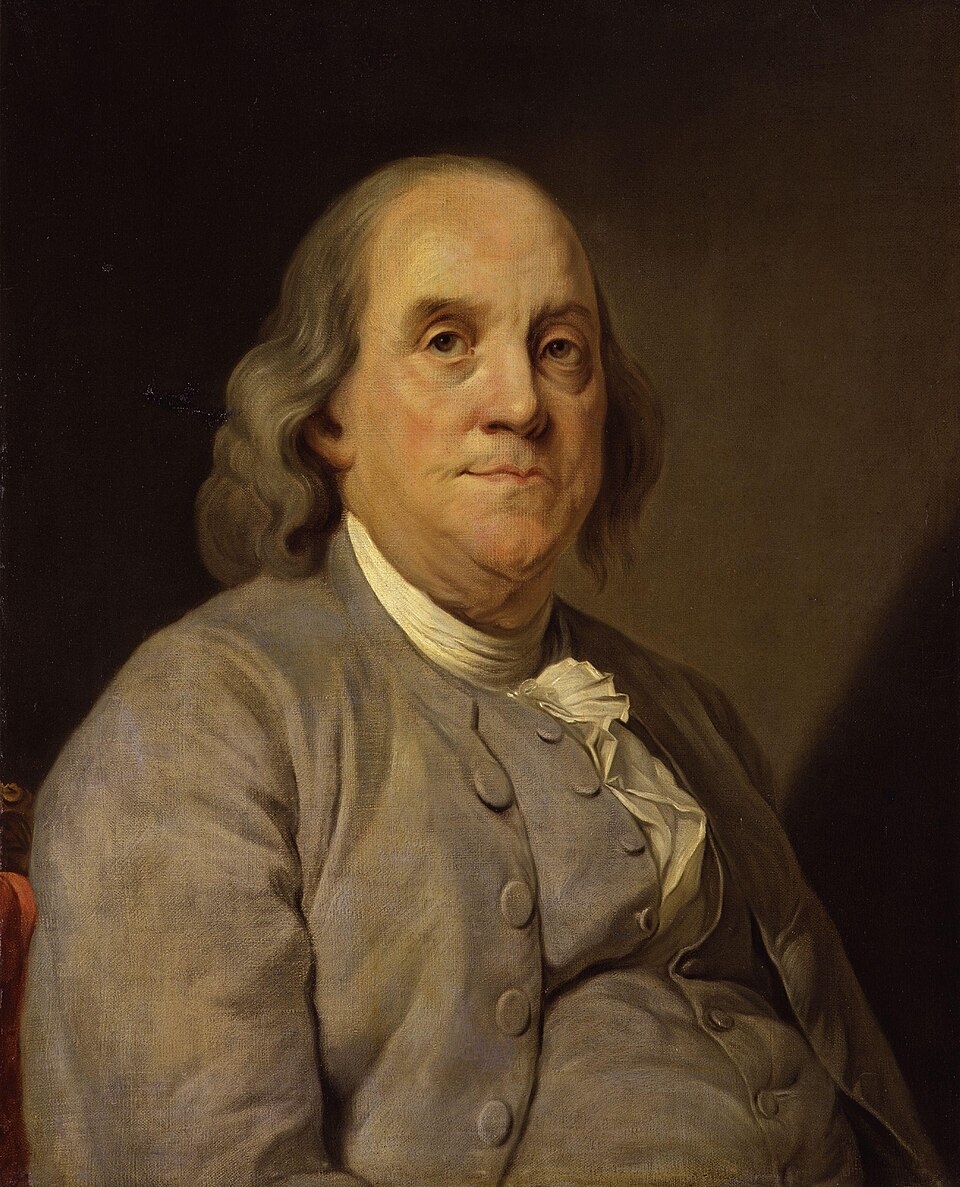
Benjamin Franklin
Focus: Diplomacy and international relations
Franklin understood the importance of diplomacy, alliances, and maintaining good relations with other nations. He recognized that international stability requires careful management of relationships and respect for sovereignty.
Principles: Diplomacy, international relations, alliance damage
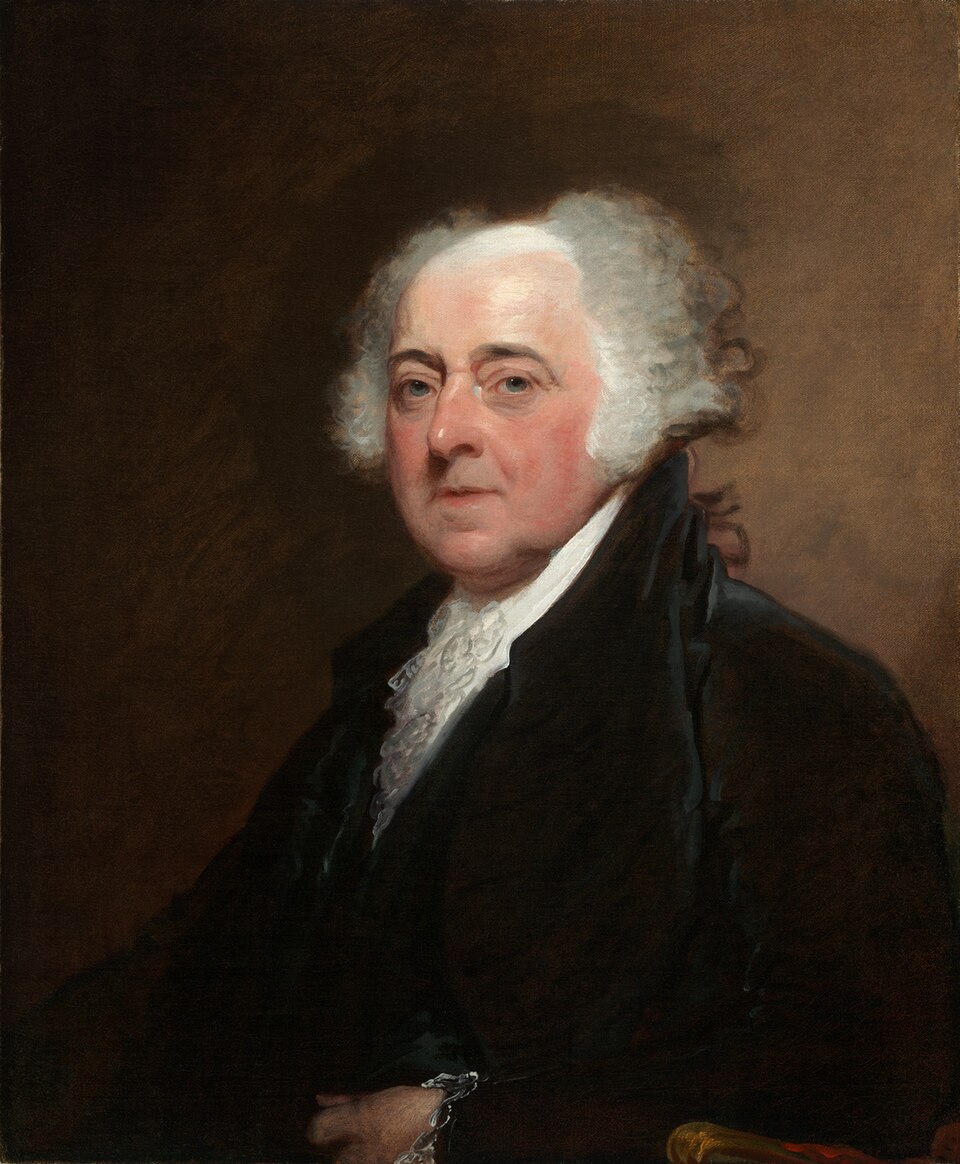
John Adams
Emphasis: Judicial independence and due process
Adams championed the independence of the judiciary and the importance of due process. He believed that legal procedures and judicial independence were essential to protect individual rights and maintain the rule of law.
Principles: Judicial independence, due process, legal procedures